
When and how did the Orff approach emerge?
The “Orff Schulwerk” approach, developed by Carl Orff and Gunild Keetman, began to take shape at the Günther School established in Munich in the 1930s. The foundations of this approach can be summarized by Carl Orff’s famous quote:
“If you tell me, I will forget; if you show me, I will remember; if you involve me, I will understand.”
What does Orff Schulwerk education mean in summary?
In fact, even the term “education” used when discussing Orff is problematic because Orff represents a perspective/approach, even a philosophy. According to this perspective, it is possible for all individuals to feel the sense of rhythm that arises from the combination of music, speech, and dance and thereby trigger their creative power. During this process, not only creativity but also memory, collaboration, and social communication skills develop.
What age group is Orff education suitable for?
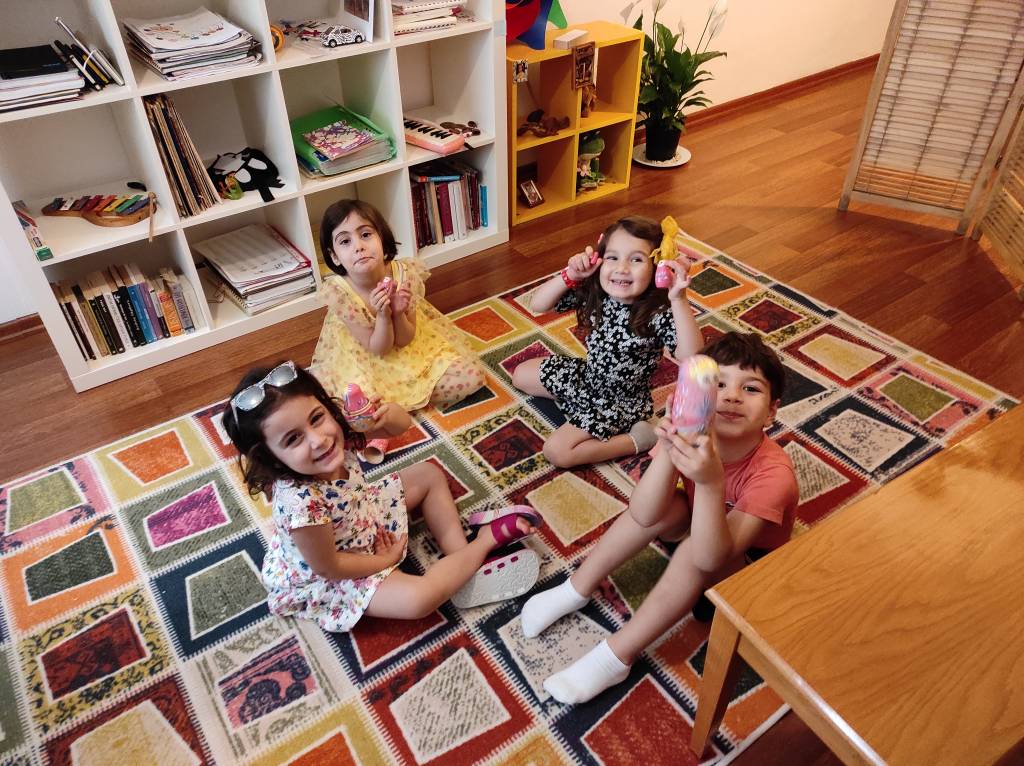
Orff courses can be provided to children aged 3 and above, as well as interested adults and even mixed groups of parents and children.
Who gives Orff courses at Gezegen Sanatevi?
Orff lessons at Gezegen Sanatevi are conducted by our founder Elçin Kurbanoğlu .
What does a typical Orff lesson consist of?
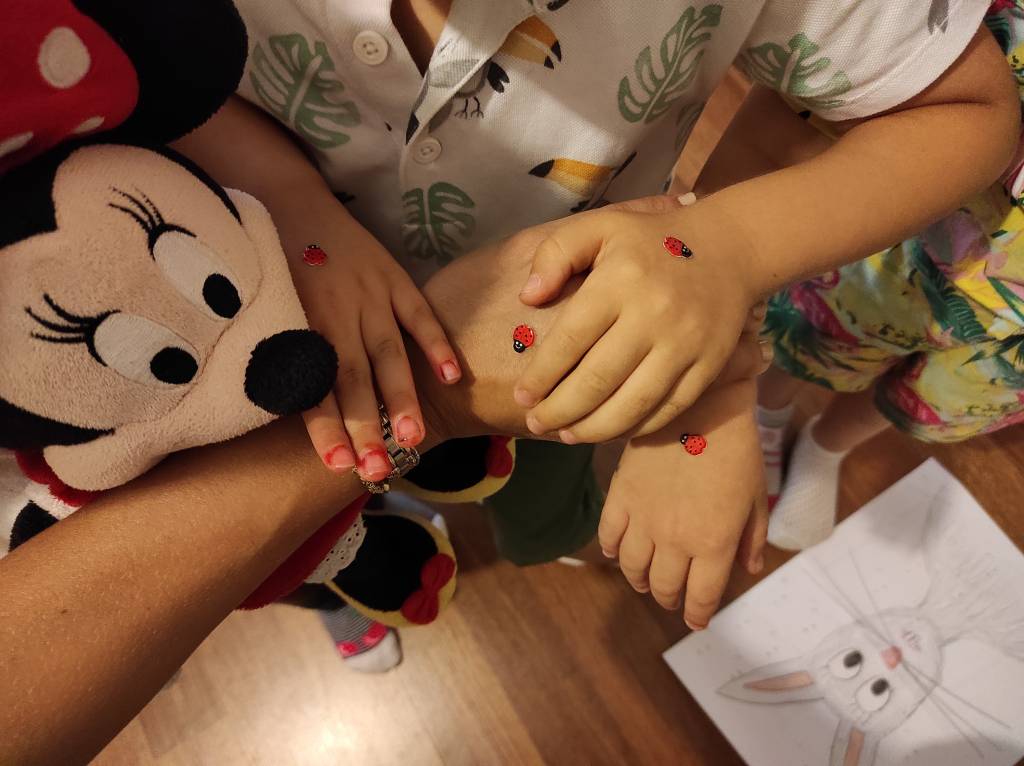
In Orff education, particularly for the 3-4 age group, music, speech, and dance are primarily used, but various drawing techniques and making sculptures/models from different materials are also important elements. The Orff approach is embraced with an interdisciplinary and holistic interpretation that encompasses all fine arts and crafts.
What are the fundamental elements of the Orff Schulwerk approach?
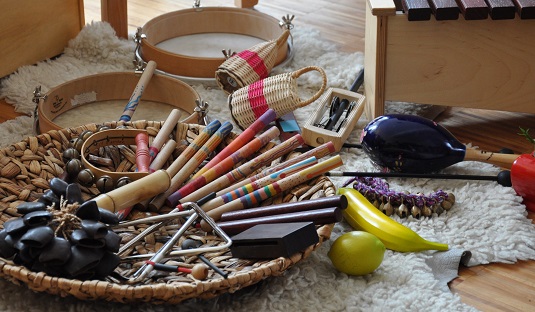
It is possible to mention some fundamental principles of the Orff approach. Firstly, “play” is a key starting point in both contemporary educational understanding and Orff approach. A democratic understanding plays an important role in Orff activities. The ideas of all participants are equally valued, and equal participation is emphasized. Participants are expected and supported to shape the activity and change the “lesson content” spontaneously.
What are the benefits of Orff for children/adults?
Although it is designed around music, rhythm, movement and dance, the Orff process itself does not aim to “teach music” to participants; it aims to enable participants to express themselves, discover and unleash their creative aspects, develop social skills, enhance their sense of rhythm, empathy, and memory.